


Skin Disease Treatment in Amritsar is very important if you are suffering from chronic skin conditions like persistent itching, fungal infections, eczema, psoriasis, skin allergies, ringworm, scabies, nail fungal infections, or any other skin condition that is affecting your comfort, confidence, and overall quality of life. Skin problems may affect people of all ages and may range from mild irritation and dryness to chronic disorders requiring long-term medical attention and specific treatment.
If you are searching for Skin condition Treatment in Amritsar, then it is crucial to know the explanation for your skin condition as well as the treatment of its obvious symptoms. A thorough diagnosis, a specific treatment plan, healthy lifestyle choices, correct skincare, and regular follow-up can make a big difference in achieving long-term skin health and preventing the recurrence of skin disorders.
Dr. Dilbag Clinic, Amritsar, offers personalized Ayurvedic consultation to patients that helps in finding the root cause of skin issues and enhances the general well-being through a holistic approach. Ayurvedic treatment can be utilised as a standalone approach or alongside conventional medical care to manage various skin conditions, depending on the individual’s condition and the recommendation of an experienced healthcare professional.
What Is Skin Disease Treatment in Amritsar?
Skin Disease Treatment in Amritsar is based on diagnosing the root cause of a skin disease and creating a personalised treatment plan. Treatment may include medical evaluation, lifestyle modifications, skin hygiene practices, dietary advice and where appropriate; ayurvedic therapies tailored to the individual. Early evaluation is important for persistent itching, recurrent rashes, fungal infections, eczema, psoriasis and skin allergies.
Key Takeaways About Skin Disease Treatment
- Skin illnesses may be due to infections, allergies, immune system issues, genetics, environmental causes, or lifestyle behaviours.
- An early diagnosis often helps to prevent complications and long-term suffering.
- Skin Allergies, Nail Fungus, Scabies, Ringworm, Dermatitis, Psoriasis , Eczema. Fungal Infections. Common skin problems.
- Ayurvedic skin care aims at restoring balance through individual consulting, food, lifestyle and ancient herbal remedies.
- Good skin care and professional assistance can help you maintain your skin healthy and avoid it coming back.
- Acute treatment is insufficient for chronic skin illnesses that require long-term follow-up and maintenance therapy.
Why Choosing the Right Skin Disease Treatment in Amritsar Matters
Skin health is intimately related to overall health. Many skin disorders may look identical, but they typically have diverse causes and need different approaches to care. Using the same cream or home remedy for every rash or episode of itching can delay a proper diagnosis and in some cases, make the condition worse. Choosing the correct Skin Specialist in Amritsar or Ayurvedic Skin Doctor in Amritsar can assist guarantee that the treatment plan is based on your symptoms, medical history, lifestyle, and the nature of your skin issue as opposed to assumptions.
There are many chronic skin conditions, such as eczema and psoriasis, that go into remission and have flare ups. The long term management, education and continuous follow up of the patients is often as vital as the treatment.
What Is a Skin Disease? Understanding Common Skin Disorders
Skin Disorder Any condition that interferes with the normal structure or function of the skin. Some illnesses are transitory and will get better with the correct treatment and some may need to be handled long-term. The skin is the body’s biggest organ and provides a protective barrier against germs, viruses, fungus, environmental contaminants and physical harm. If this barrier is torn down it can result in various skin disorders. Common skin illnesses include:
- Fungal skin infections
- Eczema (Atopic Dermatitis)
- Psoriasis
- Ringworm
- Scabies
- Skin allergies
- Contact dermatitis
- Athlete’s foot
- Nail fungal infections
- Chronic itching disorders
Some skin diseases can be passed from one person to another, but some cannot. For example, ringworm and scabies can be transmitted by close contact, but psoriasis and eczema are not infectious.
Common Symptoms of Skin Diseases You Should not Ignore
Although symptoms vary depending on the condition, many skin diseases share similar warning signs. Common symptoms include:
- Persistent itching
- Red or inflamed patches
- Dry or flaky skin
- Peeling skin
- Burning sensation
- Painful skin irritation
- Blisters or fluid-filled lesions
- Thickened skin
- White or dark skin patches
- Cracked skin
- Recurrent rashes
- Nail discoloration or thickening
- Circular rashes suggestive of fungal infection
- Swelling associated with allergic reactions
If these symptoms continue for several weeks, frequently return, or interfere with daily life, professional evaluation is recommended.
What Causes Skin Diseases? Common Triggers and Underlying Factors
Rarely is there a single cause to skin diseases. In many instances, a combination of factors may cause symptoms. Some common causes are:
Fungal Infections
Fungal skin infections are more common if the weather is warm and humid, you sweat a lot, you do not practice good hygiene, or you share personal items.
Allergic Reactions
Certain cosmetics, soaps, detergents, metals, medications, foods or environmental allergens can cause skin allergies.
Autoimmune Conditions
When the immune system becomes overactive and mistakes healthy skin cells for foreign invaders, it can lead to diseases like psoriasis.
Genetic Factors
Certain skin conditions, including eczema, can be inherited and increase susceptibility.
Environmental Factors
Sensitive skin can be irritated by pollution, extreme weather, too much sun exposure and harsh chemicals.
Lifestyle Factors
Poor nutrition, chronic stress, lack of sleep, smoking and uncontrolled diabetes can all affect the skin and may cause recurring skin problems. Pinpointing the underlying problem is a critical step in choosing the right treatment plan.
Common Types of Skin Diseases Treated in Amritsar
All skin diseases are not equal. Some are transient and respond well to treatment; others can become chronic and necessitate long-term management. The first step in getting the right care is to know what kind of skin problem you have. Dr. Dilbag Clinic, Amritsar, has many patients coming for consultation for skin disorders. Each condition warrants an individual assessment, since seemingly similar symptoms can have very different causes. Some of the commoner skin conditions we see are:
1. Fungal Infection Treatment in Amritsar
Fungal skin infections develop when fungi grow on the skin, particularly in warm, moist areas of the body. They are a very common skin problem in India and can be spread by direct skin contact, contaminated clothing, towels, footwear or shared surfaces.
Common Symptoms
- Circular red rashes
- Persistent itching
- Burning sensation
- Peeling skin
- Skin discolouration
- Cracked skin
- Unpleasant odor in affected areas
Common Risk Factors
- Excessive sweating
- Wearing tight or damp clothing
- Diabetes
- Reduced immunity
- Poor skin hygiene
- Humid weather
Getting it diagnosed early and treated properly can help lessen discomfort and the chances of it happening again.
2. Skin Allergy Treatment in Amritsar
A skin allergy is when your immune system reacts to things that are usually harmless. Depending on the trigger, allergic reactions can occur suddenly or slowly.
Common Allergy Triggers
- Cosmetics
- Hair dyes
- Soaps and detergents
- Dust mites
- Certain foods
- Medications
- Metal jewelry
- Plant allergens
Symptoms of Skin Allergy
- Redness
- Itching
- Swelling
- Skin rash
- Small bumps
- Burning sensation
- Dryness
A key element of long term management is often to identify and avoid the trigger.
3. Eczema Treatment in Amritsar
Eczema, also known as Atopic Dermatitis, is a chronic inflammatory skin disease that results in dry, itchy, and irritated skin. Symptoms tend to vary, with periods of improvement interspersed with flare-ups.
Common Symptoms
- Dry skin
- Severe itching
- Thickened skin
- Cracking
- Red patches
- Oozing in severe cases
Possible Triggers
- Stress
- Dry weather
- Allergens
- Certain fabrics
- Harsh soaps
- Dust
While eczema isn’t always permanently curable, many people can control symptoms effectively with a personalised treatment plan and consistent skin care.
4. Psoriasis Treatment in Amritsar
Psoriasis is an immune-mediated skin disease, which results in hyperproliferation of skin cells, resulting in thick, scaly plaques.
Symptoms
- Thick red patches
- Silvery-white scales
- Cracked skin
- Itching
- Burning sensation
- Dryness
- Nail changes in some patients
Psoriasis is not infectious. Treatment, being a long-term condition, aims to control symptoms, reduce flare-ups and improve the quality of life.
5. Ringworm Treatment in Amritsar
Although it is called (ringworm) it is not caused by worms. It’s a fungal infection that usually results in round, itchy rashes with a raised border.
Common Signs
- Ring shaped rash
- Intense itching
- Red border
- Scaling
- Skin peeling
Early treatment decreases the risk of spreading the infection to other parts of the body or to other people.
6. Scabies Treatment in Amritsar
Scabies is a contagious skin disease caused by tiny mites that burrow under the skin.
Symptoms
- Severe itching, especially at night
- Small bumps
- Thin burrow-like lines
- Skin irritation
- Secondary infection from scratching
It is important to get it diagnosed and treated early because scabies is easily spread to other family members and close contacts.
7. Nail Fungal Infection Treatment in Amritsar
Nail fungus can affect both fingernails and toenails. If left untreated, the infection can gradually worsen.
Symptoms
- Thick nails
- Yellow or white discoloration
- Brittle nails
- Nail separation
- Distorted nail shape
Treatment often requires patience, because it takes time for healthy nail to grow.
8. Athlete’s Foot Treatment in Amritsar
Athlete’s foot is a common fungal infection that usually affects the skin between the toes
Symptoms
- Itching
- Burning
- Peeling skin
- Cracking
- Redness
- Blisters in severe cases
Keeping the feet clean and dry plays an important role in prevention.
How Is Skin Disease Diagnosed?
Many skin conditions look alike in the early stages. Fungal infections may resemble eczema and psoriasis can be mistaken for dermatitis. So, self-diagnosis or looking at photos on the internet can result in the wrong treatment. A good clinical assessment will enable health care professionals to identify the underlying condition and suggest an appropriate management plan. Your healthcare provider may assess during a visit:
- Your current symptoms
- Medical history
- Family history of skin diseases
- Duration of symptoms
- Previous treatments
- Lifestyle factors
- Occupational exposure
- Current medications
- Existing medical conditions such as diabetes or immune disorders
Depending on the case further investigations may be suggested to confirm diagnosis or to exclude other conditions
Ayurvedic Skin Disease Treatment in Amritsar: A Holistic Approach to Skin Health
In Ayurveda, healthy skin is a sign that the body and its inner workings are in balance. Rather than simply dealing with the apparent symptoms, Ayurvedic treatment considers what is going on underneath, including digestion, daily routines, diet, stress levels, seasonal effects and one’s individual constitution. According to the Ayurveda principles, various skin diseases may occur when there is an imbalance in the functional energies of the body. Treatment, therefore, is not standardized but tailored with this in mind. An Ayurvedic consultation may involve:
- Comprehensive health assessment
- Individualized treatment planning
- Traditional herbal formulations where appropriate
- Lifestyle recommendations
- Dietary guidance
- Skin care advice
- Stress management practices
- Regular follow-up consultations
Ayurveda has ways to maintain the health of the skin in the traditional system. There is scientific evidence supporting some Ayurvedic treatments for some conditions . Always consult with a qualified healthcare professional before starting any treatment.
Modern Medical Treatment vs Ayurvedic Skin Treatment in Amritsar
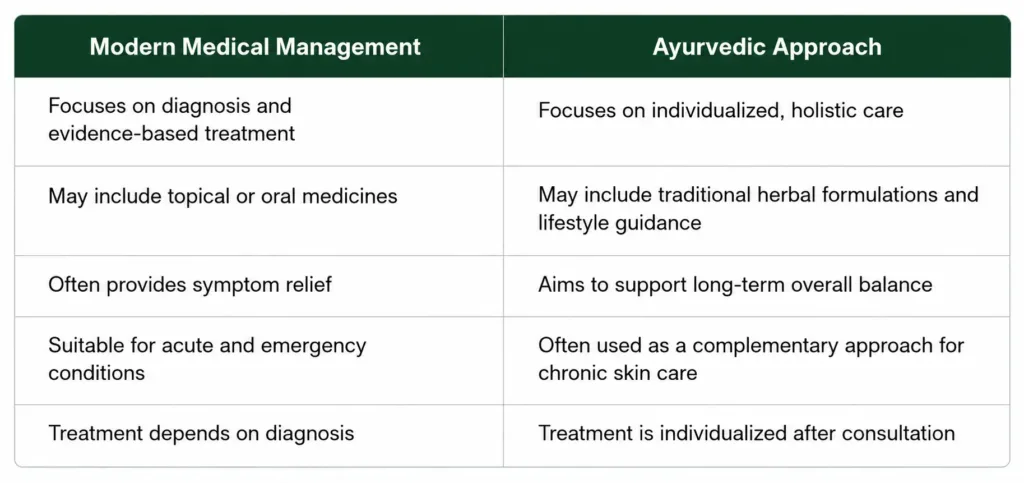
At Dr.Dilbag Clinic, every skin treatment plan is personalised to support healthier skin through Ayurveda, lifestyle guidance, and natural care.
Why Personalized Skin Disease Treatment Is Important
No two people get skin illness in exactly the same way. Even if two persons have the same diagnosis, treatment options might be influenced by age, lifestyle, medical history, occupation, allergies and surroundings. A more tailored treatment approach can be beneficial
- Address individual symptoms and concerns
- Identify possible triggers
- Improve treatment adherence
- Support long-term skin health
- Reduce the likelihood of recurrent flare-ups
- Encourage healthier lifestyle habits
Teaching patients and constant follow-up are important components of the therapy of acute and chronic skin problems.
Lifestyle Changes That May Support Skin Disease Treatment and Long-Term Skin Health
Skin problems can be managed well with medical treatment or Ayurvedic care but your everyday activities can also impact your skin health. Outbreaks might come back because of lifestyle factors including hygiene, food, sleep, stress and hydration that impact the skin barrier function and immunological health. Lifestyle adjustments may not be a panacea for all skin issues, but they can be a valuable adjunct to expert treatment and contribute to better skin over time.
Follow a Daily Skin Care Routine Recommended by Your Skin Specialist
Your skin is constantly under attack from dust, pollution, sun, sweat and toxins from the environment. Following a good skin care routine that is suited to your skin type and condition can assist to protect the skin barrier and decrease irritation. General skin care tips include:
- Cleanse your skin with a gentle, skin-friendly cleanser.
- Avoid harsh soaps that may strip natural oils.
- Use moisturizers regularly, especially if you have dry skin or eczema.
- Keep affected skin clean and dry if you have a fungal infection.
- Avoid scratching itchy areas, as it can damage the skin and increase the risk of infection.
- Protect your skin from excessive sun exposure by wearing protective clothing and using sunscreen when appropriate.
Your doctor may prescribe certain skin care products based on your diagnosis and your skin’s sensitivity.
Best Diet for Healthy Skin: Foods That May Support Skin Health
There is no single diet that will cure all skin diseases. But eating a balanced, nutrient-rich diet might help normal skin function and general health. Some people also notice that certain foods seem to make their symptoms worse, but triggers are different for each person. Foods That Promote Healthy Skin A balanced diet can include.
Fresh Fruits
Rich in vitamins, antioxidants, and water content. Examples:
- Papaya
- Orange
- Apple
- Guava
- Pomegranate
- Berries
Green Leafy Vegetables
Vegetables provide vitamins, minerals, and antioxidants that support overall health. Examples:
- Spinach
- Fenugreek leaves
- Broccoli
- Bottle gourd
- Bitter gourd
Protein Sources
Protein supports normal tissue repair and maintenance. Examples:
- Lentils
- Chickpeas
- Eggs (if suitable for you)
- Fish
- Lean chicken
- Paneer
Healthy Fats
Healthy fats help maintain the skin barrier. Examples:
- Almonds
- Walnuts
- Flaxseeds
- Chia seeds
- Pumpkin seeds
Hydrating Foods
Foods with high water content may contribute to hydration. Examples:
- Cucumber
- Watermelon
- Coconut water
- Muskmelon
Foods That Some People May Choose to Limit During Skin Disease Management
Food triggers are very personal. As a rule, there’s no need to eliminate entire food groups unless you’ve been advised to do so by a qualified healthcare professional. Others may benefit from cutting down on:
- Highly processed foods
- Sugary beverages
- Excessive refined sugar
- Deep-fried foods
- Excess alcohol
- Foods that they have personally identified as triggering flare-ups
If you suspect you have food allergies or intolerances, get a professional evaluation rather than self diagnosing.
Ayurvedic Dietary Guidance for Healthy Skin
In Ayurveda, digestion and nutrition are the most significant determinants of total well-being including skin health. Diet ideas are often tailored to the individual’s constitution, symptoms, and current health. Your Ayurvedic consultation may include advice on:
- Eating freshly prepared meals
- Maintaining regular meal timings
- Avoiding overeating
- Drinking adequate water
- Including seasonal fruits and vegetables
- Choosing foods that support digestion based on individual needs
These instructions should be individualised by a skilled Ayurvedic practitioner and not be taken in general.
Can Stress Make Skin Diseases Worse?
Not all skin diseases are caused by stress but it can cause flare-ups of some chronic conditions such as eczema and psoriasis. Long term stress can have an impact on the quality of sleep, immune system and daily habits that can impact skin indirectly. Some ways of dealing with stress are:
- Deep breathing exercises
- Meditation
- Spending time outdoors
- Gentle physical activity
- Talking to family or friends
- Seeking professional support if stress becomes overwhelming
Why Good Sleep Matters for Healthy Skin
Sleep is vital for many fundamental physiological processes, such as wound healing and immune health. The typical recommendation for adults is 7-9 hours of quality sleep nightly. To enhance sleep at night
- Maintain a regular sleep schedule.
- Limit screen time before bed.
- Create a calm sleeping environment.
- Avoid caffeine late in the evening.
- Practice relaxation techniques if needed.
Staying Hydrated May Support Skin Function
Hydration is vital for numerous functions of the body, including keeping the skin moisturized and healthy. Some general tips are:
- Drink water regularly throughout the day.
- Increase fluid intake during hot weather or exercise, if appropriate.
- Include water-rich fruits and vegetables in your diet.
The amount you should drink varies on your age, your activity level, your location and your health.
Common Mistakes That May Delay Recovery From Skin Diseases
Many decisions people make can add to the duration of their symptoms or increase the chances of the condition returning. Common mistakes are
Self-Medicating Without a Proper Diagnosis
Treatment with creams or medicines can be delayed if the underlying reason is unknown. Do not quit treatment early.
Stopping Treatment Too Early
You may feel better before the underlying problem is totally cleared up. Always follow the treatment regimen your healthcare provider prescribes.
Scratching Itchy Skin
Repeated scratching can break the skin, which leads to more inflammation and raises the risk of a subsequent bacterial infection.
Sharing Personal Items
Some contagious skin illnesses can be transferred by sharing towels, clothes, razors or shoes.
Ignoring Persistent Symptoms
If the symptoms last for weeks or are frequent, it is better to seek expert help than to rely entirely on home treatments.
How Long Does Skin Disease Treatment Take?
Recovery depends on several factors, including:
- The specific skin condition
- Severity of symptoms
- Duration before treatment began
- Individual response to treatment
- Overall health
- Adherence to the recommended treatment plan
Some infections will resolve within a few weeks but others such as eczema or psoriasis are long-term conditions that require ongoing management and periodic follow-up. Your health care provider can give you a more precise estimate once they examine your condition.
How to Help Prevent Common Skin Diseases
Not all skin diseases are preventable but healthy habits might reduce the risk of some infections and flare-ups. Tips for practical prevention:
- Wash your hands regularly.
- Keep your skin clean and dry.
- Wear breathable cotton clothing.
- Avoid sharing towels, combs, footwear, or personal hygiene items.
- Moisturize dry skin consistently.
- Manage chronic medical conditions such as diabetes.
- Eat a balanced diet.
- Stay physically active.
- Get adequate sleep.
- Seek early medical advice if symptoms appear.
Why Patients Choose Dr. Dilbag Clinic for Skin Disease Treatment in Amritsar

At Dr. Dilbag Clinic, Amritsar, the focus is on patient education, personalized consultations, and individualized care rather than one-size-fits-all treatment plans. Patients receive guidance that may include:
- Comprehensive skin assessment
- Personalized Ayurvedic consultation
- Lifestyle and dietary recommendations
- Ongoing follow-up for chronic skin conditions
- Education to help understand and manage skin health
Conclusion
Skin problems may be acute infections or chronic diseases that require ongoing therapy. It is important to know the symptoms, find out what is causing them and get professional help promptly so that they can be managed effectively. Fungal infections, eczema, psoriasis, skin allergies, ringworm, scabies, nail fungal infections or chronic itching are often best treated with a customized treatment approach to ensure long term skin health. Accurate diagnosis, evidence-based treatment, healthy lifestyle behaviors, and patient education empower individuals to make informed decisions about the management of their skin disease and quality of life.
Faq
1. What is the best treatment for skin diseases in Amritsar?
The most appropriate treatment depends on the type of skin condition, its severity, and the underlying cause. A thorough clinical assessment will help determine whether the condition is associated with a fungal infection, allergy, eczema, psoriasis or another skin condition. Treatment may comprise of modern medical care, Ayurvedic management, lifestyle modifications or a combination of approaches based on individual needs.
2. Can Ayurveda help manage chronic skin diseases?
The traditional application of Ayurveda to help people with chronic skin diseases provides individual herbal remedies, dietary advice, lifestyle recommendations, and complete care. Many patients prefer Ayurvedic treatment but the scientific evidence is variable depending upon the condition and therapy . It should be used only under the guidance of a qualified Ayurvedic doctor.
3. How do I know if my skin disease is fungal or allergic?
Fungal infections and skin allergies can look the same, but they’re caused by different things and require different treatments. Fungal infection is caused by fungus. Skin allergy is caused by an allergic reaction to allergens. The best way to distinguish between the two is to have a professional examination.
4. Are skin diseases contagious?
Some skin diseases such as ringworm, scabies and some fungal infections can be passed from person to person by close contact or sharing personal items. Eczema and psoriasis are not diseases you can catch.
5. How long does skin disease treatment usually take?
The recovery period will depend on the diagnosis, severity, length of symptoms and individual response to treatment. Some infections will resolve in a matter of weeks but some chronic illnesses require long term management and regular follow up.
6. Is itching always a sign of a fungal infection?
No. Itching can be a symptom of many skin problems including eczema, psoriasis, allergies, insect bites, dry skin and fungal infections. There are various reasons for itching thus it is best not to try to self diagnose.





Add comment