
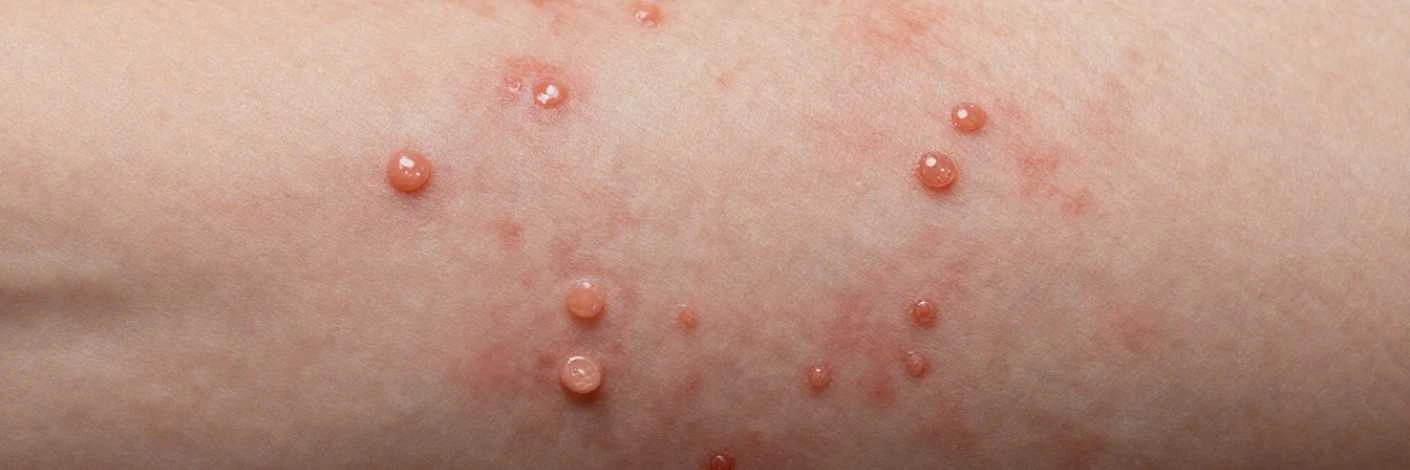


Contagious Skin Rashes are a common concern. Even though rashes are common, many people still ask, “are rashes contagious?. Finding the answer is not always easy. Some rashes can easily transfer from one person to another by skin contact, but others are perfectly harmless for other individuals. You should know how to treat and stop contagious skin rashes from spreading to other people, especially kids. This detailed tutorial will teach you how to find contagious skin rashes, how they spread and what really works to get rid of them rapidly.
What Are Contagious Skin Rashes?
Rashes that can spread from one person to another are called contagious skin rashes. These could be caused by viruses, bacteria, fungi or parasites. These infections can spread through:
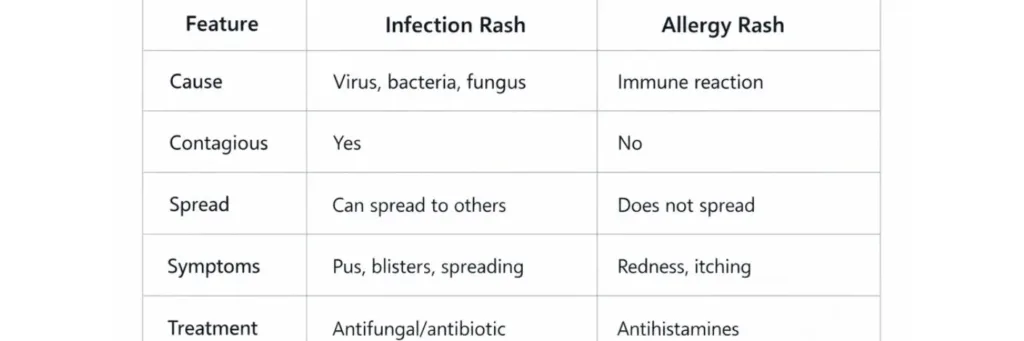
- unlike allergic rashes,
- Touching skin to skin directly
- Giving each other things like clothes or towels
- Touching things that are dirty
- Sometimes even through the air (in viral infections)
Some common signs of skin rashes that are contagious are:
- Skin that is red or swollen
- Itching or burning feeling
- Blisters or pus that are full of fluid
- Patches that spread on the skin
- Peeling or crusting
Are Rashes Contagious in Adults and Children?
In Adults:
Yes, some rashes can spread from one adult to another, especially fungal infections like athlete’s foot or bacterial infections. Adults often get exposed through:
- Gyms or places where people share
- Sweat buildup in summer
- Bad habits when it comes to cleanliness
In Children:
Kids are more at risk because:
- They are often very close to each other in school.
- They often give things to each other without meaning to.
- Their immune system is still growing.
Some common rashes that kids can get are:
- Chickenpox
- Impetigo and hand, foot, and mouth disease
How Do Skin Rashes Spread?
You can stop skin rashes from spreading if you know how they do it.
Main transmission methods:
- Direct contact: Touching skin that is infected
- Indirect contact: using the same clothes, towels, and bedding
- Contamination on surfaces: handles on doors and gym equipment
- Fungal infections love to grow in sweaty places.
Example (real world insight):
Wearing tight, sweaty clothes for long periods of time in the summer can cause a lot of people to get fungal rashes. The infection spreads quickly in places like the groin or underarms.
Types of Contagious Skin Diseases
1. Viral Skin Rashes
- Chickenpox
- Measles
- Molluscum contagiosum
Symptoms:
- Fluid-filled blisters
- Fever (sometimes)
- Rapid spreading
2. Bacterial Skin Infections
- Impetigo
- Cellulitis
Symptoms:
- Red sores
- Pus formation
- Painful swelling
3. Fungal Skin Infections
- Ringworm
- Athlete’s foot
Symptoms:
- Circular rash
- Itchy, scaly skin
- Spreads slowly but persistently
For deeper understanding, read: What is Fungal Infection.
4. Parasitic Skin Conditions
- Scabies (caused by mites that burrow into skin)
Symptoms:
- Intense itching (especially at night)
- Small bumps or burrow lines
Difference Between Allergy and Infection Rash
How Long Are Skin Rashes Contagious?
It depends on the reason:
- Viral rashes: Spreadable until the blisters dry up
- Bacterial infections: Until antibiotics are given
- Fungal infections can stay contagious for weeks.
- Scabies: Until the right treatment is done
Not getting treatment makes the spread much worse.
Symptoms That Indicate a Contagious Rash
Look for these signs:
- Red rash that spreads quickly
- Itchy, sore spots
- Bumps filled with fluid
- Crusting or leaking
- Rash showing up in more than one place
These signs usually mean that the skin rash is caused by an infection, not just irritation.
Treatment for Infectious Skin Rash
The treatment depends on the cause, but here are some general ideas:
1.Medical Care
- Antifungal creams (for infections caused by fungi)
- Antibiotics are used to treat bacterial infections.
- Antiviral drugs (for rashes caused by viruses)
The best cream for rashes that spread: A dermatologist usually gives out creams based on what they find. Do not take medicine on your own if you are not sure.
2. Natural Remedies for Skin Infections
Some home remedies can help you get better:
- Neem paste (kills bacteria and fungi)
- Aloe vera gel (calming effect)
- Turmeric paste (helps with inflammation)
- Coconut oil (for mild dryness)
Important: Natural remedies can help with mild cases, but they should not be used instead of medical care for infections.
How to Stop Rash from Spreading
This is where most people make mistakes. This is what really works:
Do:
- Wash your hands often.
- Keep the area that is affected clean and dry.
- Use different towels
- Put on loose-fitting cotton clothes.
Avoid:
- Do not scratch the rash.
- Giving away personal things
- Not paying attention to early signs
Skin Rash Hygiene Tips
The most important thing you can do to stay healthy is to keep your hygiene up.
- Take a shower every day, especially in the summer.
- Take off your sweaty clothes right away.
- Cut your nails regularly.
- Clean and disinfect surfaces that are often touched.
Real insight:
Sweat and humidity make the perfect conditions for fungal infections in hot places like India. It is easier to stop something than to treat it.
Contagious Rash on Face Treatment
Because skin is sensitive, facial rashes need extra care.
Tips:
- Stay away from strong creams
- Take the medicine that your dermatologist tells you to.
- Don’t wash your face too much, but keep it clean.
- Don’t wear makeup when you’re sick.
Summer Skin Rashes: Causes and Cure
In the summer, the risk of getting contagious skin rashes goes up because of:
- Sweating too much
- Growth of bacteria
- Infections caused by fungi
Common summer rashes:
- Rash from heat
- Infections caused by fungi
- Infections caused by bacteria
Prevention:
- Stay calm
- Wear clothes that let air flow through.
- Keep things clean
Skin Irritation vs Infection Symptoms
A lot of people get scared over small annoyances.
Irritation:
- Mild redness is an irritation.
- No spreading
- Caused by sweat or rubbing
Infection:
- Spreads fast
- Itching or pain that is very bad
- Could cause blisters or pus
Knowing this difference can help you not worry too much.
When to See a Doctor for Skin Rash
Seek medical help if:
- If the rash spreads quickly, get medical help.
- A lot of pain or swelling
- Fever and rash go together.
- No change in 3 to 5 days
- Rash shows up on the face or genitals.
If you think you might have a rare infection, you can also learn more here: What is White fungus disease.
Conslusion
A lot of individuals don’t know that skin rashes that spread and are contagious skin rashes are more common than you might expect, especially in warm, humid locations. The most important things are to identify it early, treat it correctly, and keep it clean.
Some rashes don’t spread, but if you don’t pay attention to the signals, a tiny problem can evolve into a widespread infection. If you see a rash that itches, spreads, or doesn’t go away, you should do something immediately away. Most skin rashes and infections that spread readily can be treated properly and stopped from coming back if you have the right information and care.
Add comment