


What is fungal infection? Skin infections happen a lot, especially in hot and humid places. A lot of people have skin issues that make them itch, turn red or get weird rashes, but they don’t know what the problem is. One of the most common reasons for these symptoms is a fungal infection. What is a fungal infection then? A fungal infection happens when bad fungi grow on the skin and start to hurt the outer layer of the body. These little creatures like warm, wet places best and they can make your skin red, itchy and irritated.
Fungal infections can happen on the skin on the feet, groin, scalp, nails and other parts of the body. Fungal infections are common. Examples include athlete’s foot, ringworm, jock itch and nail fungus. Fungal infections are not usually very serious, but if you do not treat them right away, they can get worse and spread. In this guide, we’ll talk about the signs, causes, types treatments and ways to avoid fungal skin infections so that you can better understand and deal with them.
What Is Fungal Infection?
When fungi get into the outer layers of the skin and grow quickly, this is called a fungal infection on the skin. Fungi are tiny living things that are found in nature, such as in soil, air and even on human skin. These organisms usually don’t cause any problems. But when the conditions are right, like when there is too much moisture, sweating, bad hygiene or a weak immune system, fungi can grow out of control and cause an infection. The infection usually happens in places where sweat and moisture build up, like:
- Feet
- Groin area
- Underarms
- Between fingers or toes
- Scalp
- Nails
- Skin folds
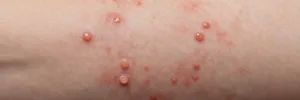
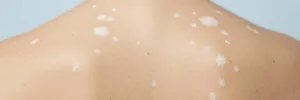
A fungal infection usually starts with an itchy rash, red spots on the skin, a circular rash, or a scaly skin infection. These symptoms may resemble other contagious skin rashes, necessitating precise identification of the underlying cause. If not treated, the infection could spread to other parts of the body or to other people by direct contact..
Types of Fungal Infection on Skin
There are several types of fungal infection, and each affects different areas of the body. Understanding these types helps in identifying the infection early.
1. Ringworm Infection (Tinea Corporis)
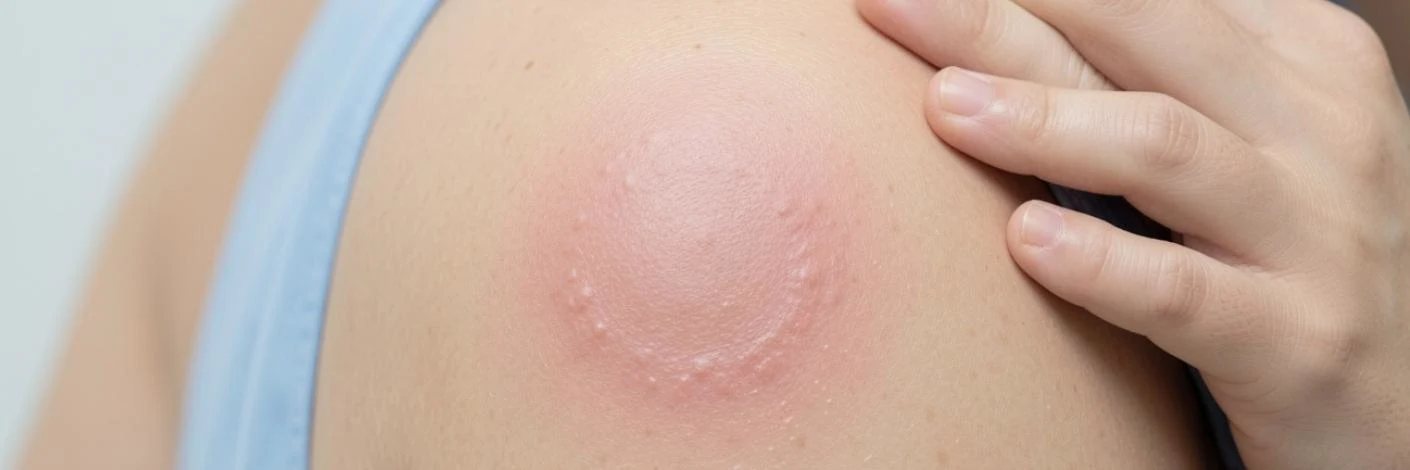
Ringworm is a common fungal infection of the skin. It is not caused by worms, even though the name suggests it is. Features that are common include:
- A rash that is round with raised edges
- Red spots on the skin
- Rash that itches on the skin
- A clear center that looks like a ring
You can get ringworm on your neck, arms, legs, or torso.
2. Athlete’s Foot (Tinea Pedis)
Athlete’s foot is a fungal infection that happens on the skin between the toes. Some of the symptoms may be:
- Feeling of burning
- Skin that is cracked or peeling
- Itching between the toes
- Infection of the skin on the feet that causes scales
This infection commonly develops due to sweaty shoes, damp socks, and walking barefoot in public places.
3. Jock Itch (Tinea Cruris)
Most of the time, jock itch happens in the groin and inner thighs. Some common signs are:
- Rash that is red or dark in the groin
- Itching that won’t go away
- Feeling of burning
- Patches of skin that are scaly
People who sweat a lot or wear tight clothes are more likely to get it.
4. Nail Fungus (Onychomycosis)
If you don’t treat nail fungus, it can be hard to get rid of. It can affect your toenails or fingernails. Signs include
- nails that are thicker than normal.
- Discoloration that is yellow or white
- Nails that are brittle or break easily
- Nail coming off the nail bed
Nail fungus spreads slowly, but if you don’t treat it, it can last a long time.
5. Scalp Fungal Infection (Tinea Capitis)
This infection affects the hair follicles and scalp. Some of the symptoms may be:
- Scalp that itches
- Patches with scales
- Loss of hair in the areas that are affected
- Little black spots on the scalp
Children are more likely to get fungal infections on their scalps, but adults can get them too.
Symptoms of Fungal Infection
Being able to spot the early signs of a fungal infection can help keep it from spreading. Fungal infections often cause these symptoms:
- Itching that won’t go away
- Skin with red spots
- Rash in a circle
- Skin that is scaly or flaky
- Feeling of burning
- Changes in skin color
- Skin that is cracked or peeling
- Nails that are thicker
- Bumps or blisters that are small
Some infections may start out mild but get worse over time. Itching often gets worse when it’s hot or sweaty.
Causes of Fungal Infection
Understanding the causes of fungal infection can help reduce the chances of developing one. Several factors can contribute to fungal infections:
Warm and Humid Environment
Fungi grow quickly in places that are warm and damp. Fungi grow best when it’s too hot or too humid.
Poor Personal Hygiene
Not maintaining proper personal hygiene allows fungi to multiply on the skin.
Tight or Non-Breathable Clothing
Wearing clothes that are too tight, made of synthetic materials or that are wet keeps moisture close to the skin.
Weakened Immune System
People whose immune systems are not working as well may be more likely to get sick. In very rare and serious cases, fungal infections can get worse, like white fungus disease, which can affect internal organs.
Sharing Personal Items
Using towels, clothes, socks or shoes that someone else has used can spread fungal infections.
Skin Injuries
Fungi can get into the body more easily through small cuts or damaged skin.
How Fungal Infection Spreads
A lot of people want to know how fungal infections spread, and it’s important to know this to stop them. Fungal infections can spread in the following ways:
- Touching the skin of someone who is infected directly
- Sharing towels, clothes, or bedding
- Walking barefoot in public pools or showers
- Touching sick pets or animals
- Touching other parts of the body and scratching the infected area
Once the fungus spreads, it can infect other parts of the body.
Fungal Infection Treatment
The best way to treat a fungal infection depends on what kind of infection it is and how bad it is. Getting treatment early usually works faster and stops the spread.
1. Antifungal Cream
Antifungal cream can help with most mild skin infections. These creams help get rid of the fungus and make symptoms like redness and itching less severe. Some common antifungal ingredients are:
- Clotrimazole
- Ketoconazole
- Miconazole
- Terbinafine
Doctors usually tell people to use the cream for two to four weeks, depending on how bad the infection is.
2. Antifungal Medicines
If the infection is bad or doesn’t go away, doctors may give you tablets to take for it. Oral antifungal medicines help get rid of deeper infections that topical creams can not completely get rid of.
3. Medicated Shampoos
If you have a fungal infection on your scalp, your doctor may suggest medicated antifungal shampoos and oral medication.
4. Nail Treatments
Because nails grow slowly, treating nail fungus may require special antifungal treatments. In some cases, it may take several months for the treatment to work completely.
How to Treat Fungal Infection at Home
Along with medical care, some home care practices can help control symptoms and stop them from getting worse. Some helpful steps are:
- Keep skin dry, especially in places where it folds.
- Wear clothes that are loose and let air flow through them.
- Quickly change out of sweaty clothes
- Don’t share towels or other personal items.
- Wash the areas that are affected often
- Every day, wear clean socks and shoes.
If the symptoms don’t go away after a few weeks, though, you should see a doctor.
Fungal Infection Prevention
Preventing fungal infections is often easier than treating them. Simple daily habits can significantly reduce the risk.
Maintain Good Personal Hygiene
Taking regular baths and keeping your skin clean helps get rid of bacteria and fungi on the surface of your skin.
Keep Skin Dry
Fungi grow better in moist conditions, so keep your skin dry, especially after bathing or sweating.
Wear Breathable Clothing
Cotton fabrics let more air flow through and keep you from sweating.
Avoid Sharing Personal Items
Don’t ever share your clothes, shoes, socks, or towels with anyone else.
Protect Feet in Public Areas
To avoid getting athlete’s foot, wear slippers in public showers, gyms, and pools.
Wash Clothes Regularly
Keeping your clothes and bedding clean lowers the risk of fungal infection.
Conclusion
Understanding what is fungal infection is important for recognizing symptoms early and preventing the infection from spreading. Fungal infections are very common and usually affect areas of the skin that remain warm and moist. Common conditions like ringworm infection, athlete’s foot, jock itch, nail fungus and scalp fungal infection can cause itching, redness and scaly patches on the skin. Fortunately, most fungal infections can be treated effectively with antifungal creams, medicines and proper hygiene practices.
The key to managing fungal infections is early treatment, keeping the skin dry and maintaining good personal hygiene. By following these simple steps, you can significantly reduce the risk of infection and keep your skin healthy.
Add comment