

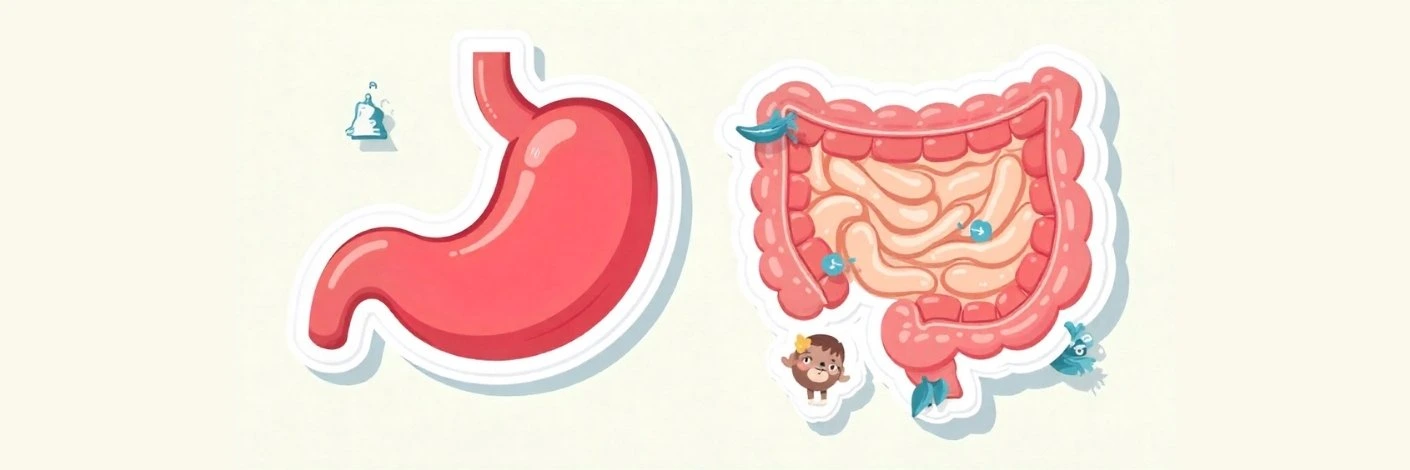



Weak digestion symptoms can make you feel tired, make your skin look bad, and even make you feel bad all around. A lot of people do not pay attention to early signs like bloating, gas, or tiredness after meals, but these are signs that your digestive system might not be working well. This guide will show you the 8 most common signs of weak digestion Symptoms, what causes them, and how to naturally improve your gut health with simple, effective methods.
What Is Weak Digestion?
When your body can not break down food properly, absorb nutrients well, or move waste smoothly through the digestive system, you have weak digestion. This can cause symptoms that are uncomfortable, like gas, bloating, indigestion, constipation, or tiredness after eating.
When digestion slows down or gets out of whack, it can affect the gut microbiome, stomach acid levels, enzyme production, and gut motility. This makes your body send out warning signals.
8 Signs of Weak Digestion Symptoms
Here are the most common signs that your gut needs help with digestion.
1. Persistent Bloating
One of the clearest signs of weak digestion is bloating. It happens when food isn’t broken down properly, which causes fermentation and gas to build up. If you feel bad or swollen after eating, especially heavy or processed foods, it could mean that your stomach acid is low or your digestion is slow.
Give this a shot: Do not drink a lot of water while you eat, and eat smaller meals.
2. Excessive Gas
It’s normal to have some gas, but too much or smelly gas is a sign that your digestive system is stressed. This happens a lot when food that is not digested ferments in the gut.
Some common reasons are:
- Lack of enzymes
- Gut bacteria that are not balanced
- Eating too quickly
- Foods that are high in sugar or have been processed
Tip: Adding probiotics can help bring the balance of microbes back to normal.
3. Constipation
When you are constipated, waste moves too slowly through your digestive system. It usually means that you are dehydrated, don’t get enough fiber, or have a weak digestive fire.
Some signs are:
- Stools that are hard
- Not having bowel movements for days at a time
- Pushing too hard when going to the bathroom
Quick fix: Every morning, drink warm water and eat more soluble fiber.
4. Diarrhea
When your body pushes food through too quickly because of irritation, inflammation, or bad digestion, you get diarrhea.
Some possible causes are:
- Food allergies
- Infections in the gut
- Sweeteners that aren’t natural
- Lack of enzymes
Try adding oats, rice, and bananas to your meals to make them more stable.
5. Acid Reflux & Heartburn
After eating, acid reflux feels like a burning feeling in the chest. Weak digestion, especially low stomach acid makes it hard for food to break down properly, which makes it push back up the esophagus.
Advice: Do not lie down right after eating, and cut back on spicy or acidic foods.
6. Fatigue After Eating
If you feel tired or sleepy after eating, it could mean that your body is using too much energy to break down the food.
Why it happens:
- Big meals
- Foods that are high in fat or have been processed
- Not getting enough nutrients
Fix: Pick lighter meals and add herbs that help digestion, like ginger or mint.
7. Undigested Food in Stool
Seeing bits of food in your stool means that your digestion is not complete. This can happen if there aren’t enough enzymes or if the gut moves too quickly.
Tip: To ease stress on your digestive system, chew each bite well.
8. Bad Breath & Coated Tongue
Poor gut health can cause a coated tongue or bad breath that won’t go away. When the digestive system isn’t working well, toxins build up and show up in oral hygiene.
Right away: Drink plenty of water and use a tongue scraper every day.
Don’t miss our full guide on how to safely and naturally manage high blood pressure. Effective Lifestyle Changes to Control Blood Pressure Without Medication
What Causes Weak Digestion?
Many everyday habits can lead to weak digestion.
Some common causes are:
- Eating too quickly or too much
- Stress, worry, or not getting enough sleep
- Not enough acid in the stomach
- Food that has been processed or fried
- Living a sedentary life
- Not drinking enough water
- Infections in the gut
- Food allergies
Finding the root cause helps you fix digestion more effectively.
How to Improve Weak Digestion Naturally
Problems with digestion can make you feel less comfortable, less energetic, and less healthy in general. If you’ve been having problems with constipation, bloating, acid reflux, or slow digestion, learning how to Improve Weak Digestion Naturally can help a lot. The good news is you don’t need to take strong drugs or make big changes to your life. Small, natural changes can help your digestive system get back to normal.
These tips from experts can help you safely improve your digestion.
Eat Smaller, More Frequent Meals
Your stomach can not handle big meals. Instead, eat smaller meals throughout the day to help your body digest food better.
Chew Your Food Properly
The mouth is where digestion begins. Chewing each bite 20 to 25 times helps break down food quickly.
Increase Fiber Intake
Fiber helps keep your bowels regular and feeds the good bacteria.
Good sources:
- Oats
- Fruits
- Vegetables
- Beans
- Chia seeds
Add Probiotics & Prebiotics
These support your microbiome.
Probiotic foods:Yogurt, kefir, and kimchi
Prebiotic foods: bananas, garlic, and onions
Reduce Stress
Stress makes digestion take a lot longer, Meditation, slow breathing, or light exercise might help.
Stay Hydrated
Water helps food move smoothly through the digestive system.
Avoid Processed Foods
Fried, sugary, and packaged foods make it harder for your body to digest.
Instead, choose whole foods.
Consider Digestive Enzymes
Enzymes help break down fats, carbs, and proteins.
Use supplements only with the advice of a doctor.
Conclusion
There are many signs of poor digestion, such as bloating, gas, fatigue, and bad breath. If you notice these signs early and make small changes to your diet and lifestyle, you can restore your digestive strength, boost your energy, and support your gut health in the long term. If the symptoms don’t go away, don’t ignore them; your gut may need professional help.
Add comment