









Home remedies for indigestion are very useful when you feel bad at the worst times, like after a big meal, on stressful days, or even when you don’t know why. You are in the right place if you want to find easy, effective, and quick ways to calm your stomach. This guide gives you easy, everyday solutions that you can start using right away by combining real life experience with information about digestive health. If you sometimes feel bad after eating or always feel bloated, these natural remedies can help your digestion without the need for medication.
What Causes Indigestion and Bloating ?
Knowing the root causes of a problem helps you treat it, not just the symptoms, before you try to fix it. Eating too quickly is one of the main causes of indigestion.
- Meals that are high in fat or spicy
- Eating too much
- Anxiety or stress
- Slight food allergies
- Drinks with bubbles
- Not moving around after meals
Bloating happens a lot when food that has not been digested starts to ferment in the gut or when the muscles that help digest food slow down. These easy fixes help digestion, keep gas from building up, and calm the digestive tract.
1. Warm Water Therapy (Simple but Effective)
One of the simplest home remedies for bloating and indigestion is to drink warm water. It works surprisingly well.
- Warm water helps by relaxing the muscles in the stomach.
- Making blood flow better to the gut
- More effectively breaking down food
- Getting rid of trapped gas
How to Use It: Drink a cup of warm not boiling water 20 to 30 minutes after a meal.
Tip for Real Life: If you often skip breakfast or eat dinner late, warm water can help your digestion and make you less bloated in the morning.
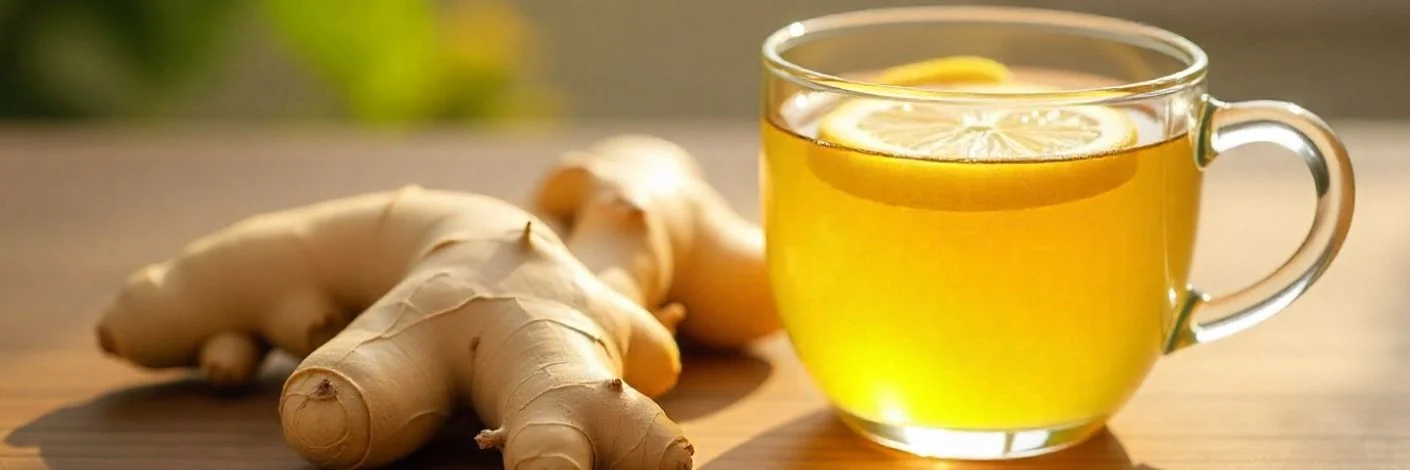
2. Ginger Tea: A Natural Digestive Booster
Ginger is one of the oldest and most effective home remedies for upset stomach. Its natural ingredients, gingerols and shogaols, help:
- Make your stomach empty faster
- Stop feeling sick
- Help with gas and bloating
- Make digestive enzymes work harder
How to Use Ginger: Put fresh ginger slices in hot water for 10 minutes. If you want, you can add lemon or honey. Drink before or after meals.
For instance, ginger tea is often very helpful for people who feel heavy after eating oily foods.
3. Peppermint Tea to Reduce Gas and Soothe the Gut
Menthol is a chemical found in peppermint that is known to relax the muscles in the digestive system. This makes it perfect for:
- Cramping in the intestines
- Bloating after eating
- A little bit of indigestion
Important Note: People with acid reflux may not be able to handle peppermint because it can relax the stomach valve.
How to Use: After a meal, drink one cup for gentle relief.
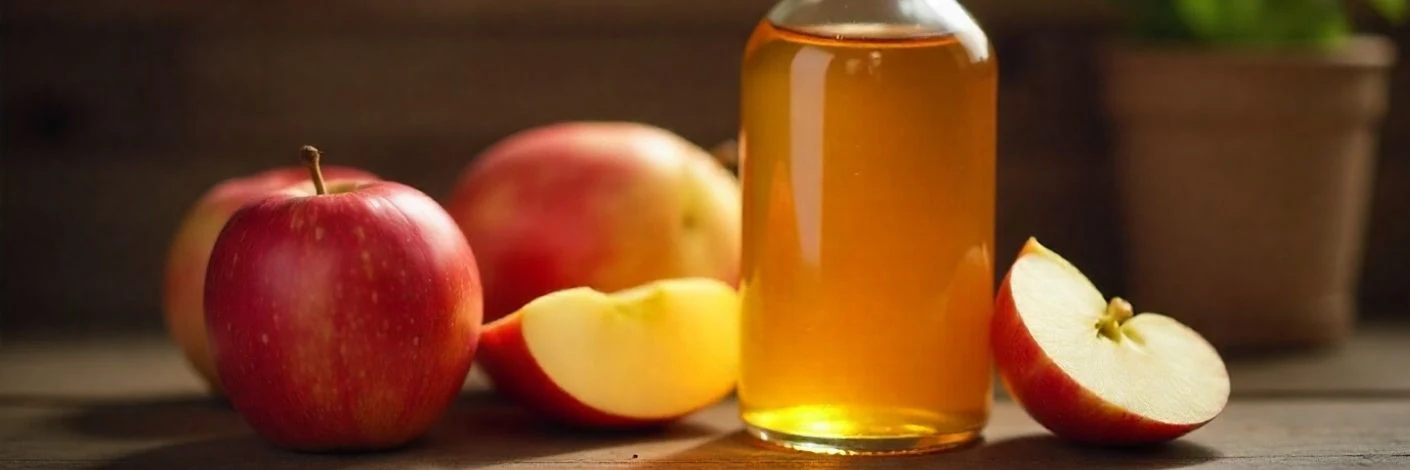
4. Apple Cider Vinegar (ACV) to Support Stomach Acid Balance
Even though Apple Cider Vinegar is acidic, it can help balance stomach acidity. This is especially helpful for people who have low stomach acid and have trouble digesting food. How to Use:
Add 1 teaspoon of raw Apple Cider Vinegar to a glass of warm water. Drink before meals.
How It Works:
- Stimulates the juices that help digestion
- Helps proteins break down
- Helps with bloating and heaviness that comes from fermentation
- Add a little honey if the flavor is too strong.
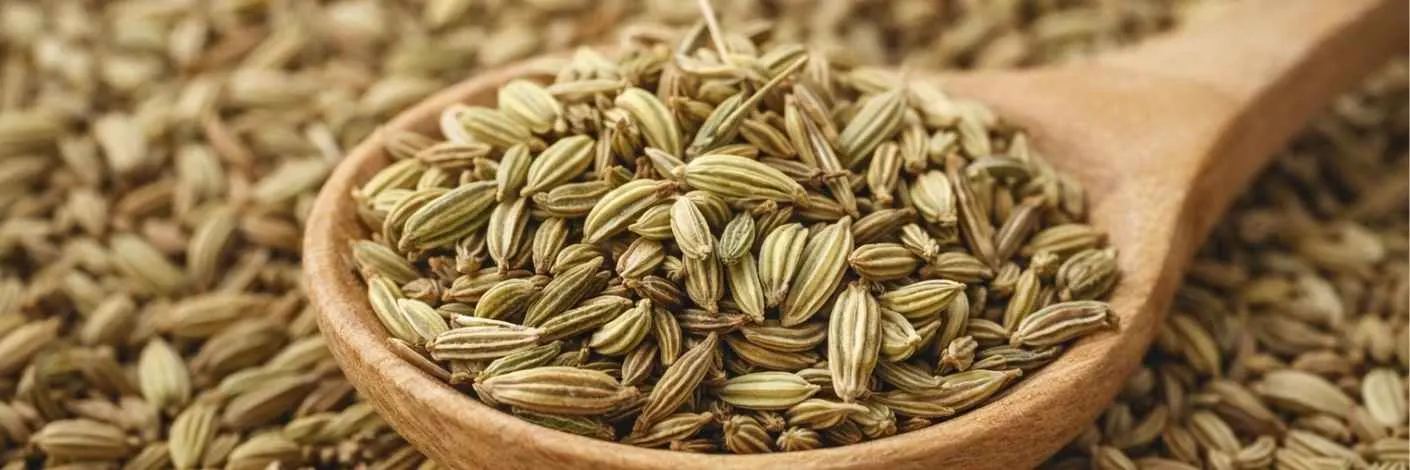
5. Fennel Seeds: A Traditional Remedy for Gas Relief
In Indian and Middle Eastern cultures, fennel is a common way to help with digestion. Anethole is in it, which relaxes the muscles in the digestive tract and stops gas from forming.
How to Use Fennel Seeds:
- After meals, chew on 1/2 teaspoon.
- Boil seeds in water and drink the water as tea.
- For faster relief, crush the seeds and mix them with warm water.
Why It Works: Fennel is great for bloating caused by gas, constipation, or heavy meals.
6. Chamomile Tea for Stress-Related Indigestion
Chamomile tea is your best friend if your stomach problems get worse when you’re stressed. Chamomile helps by:
- Lowering swelling
- Soothing the nervous system
- Relaxing the muscles around the stomach
- This is the best cure for problems with digestion at night.
7. Lemon Water for Gentle Detox and Digestion Support
Lemon water is a natural way to help your stomach work better. Benefits:
- Helps clean out the digestive system
- Bile production is boosted
- Lessens the bloating that comes from not drinking enough water
- Works better to break down food
- Drink it first thing in the morning to make your digestion easier and more comfortable all day.
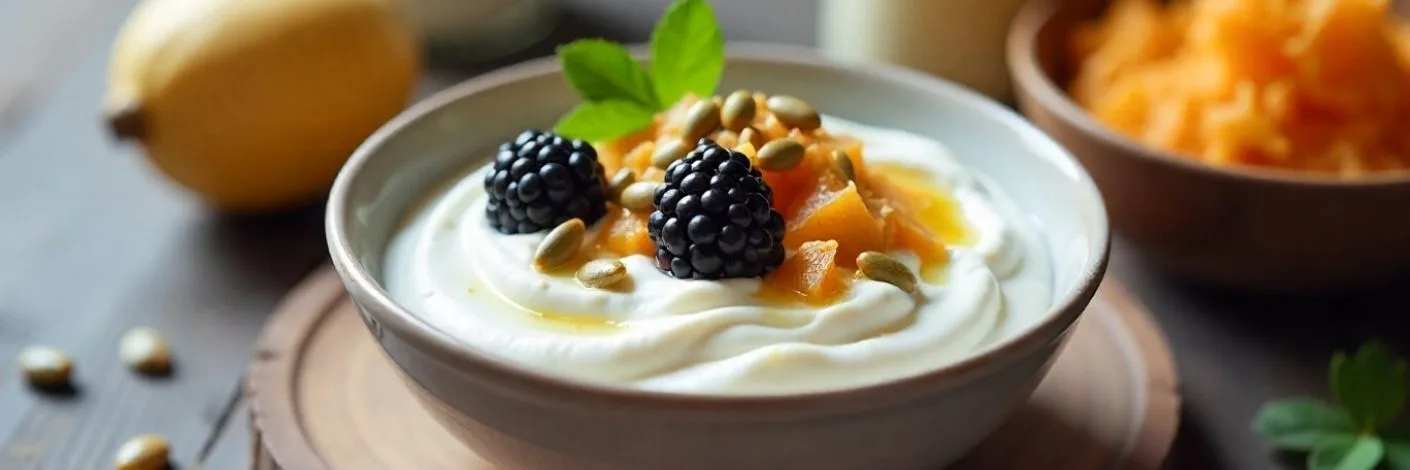
8. Probiotic Foods to Improve Gut Balance
Having too many or too few good bacteria in your gut can cause indigestion and bloating. Probiotics help feed good bacteria, which makes digestion easier and less gassy. The best probiotic foods are:
- Live cultures in yogurt
- Kefir
- Sauerkraut
- Kimchi
- Tempeh
- Buttermilk
Use Case: If you feel bloated after taking antibiotics, eating probiotic foods can help bring things back to normal.
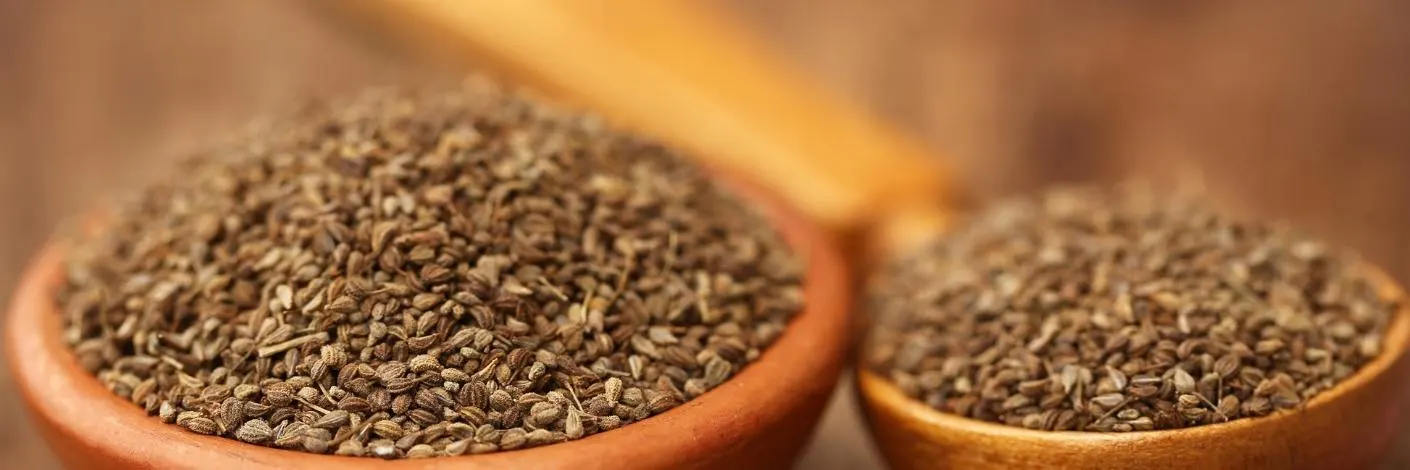
9. Carom Seeds (Ajwain): A Potent Remedy for Bloating
Ayurveda uses ajwain a lot to help with digestion. It has thymol in it, which helps digestive enzymes work better. How to Use:
- After meals, chew on 1/4 tsp of seeds.
- To make ajwain tea, boil it in water.
- For gas relief, mix with warm water and a pinch of black salt.
This treatment also works well for people who feel bad after eating foods that contain flour.
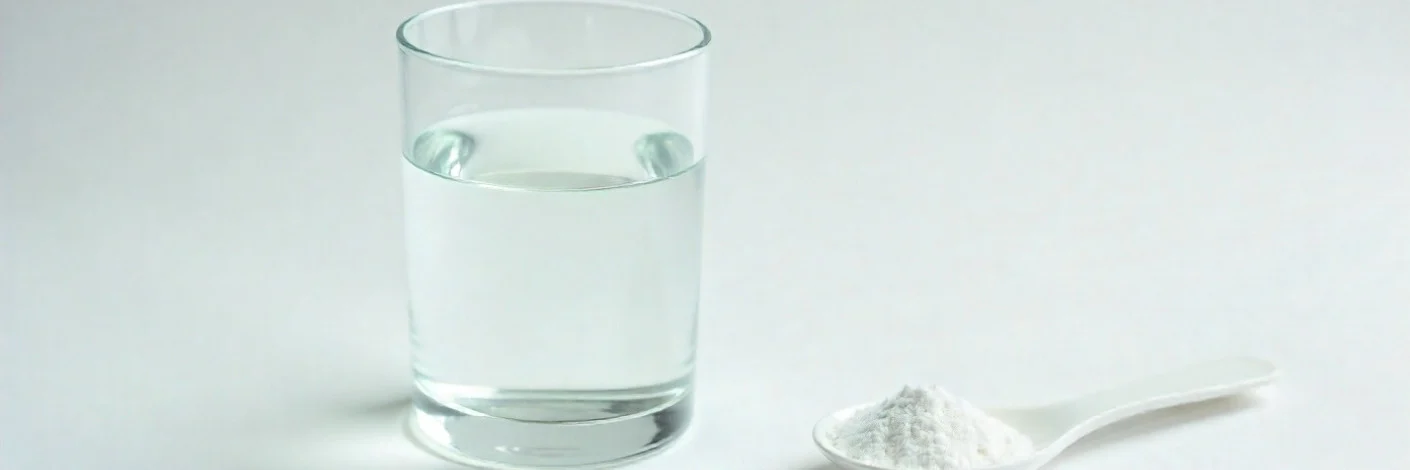
10. Baking Soda Water (Occasional Use Only)
Baking soda quickly stops stomach acid from working. How to Use:
- Add ½ teaspoon to a glass of water and drink it slowly
Important: Only use it when you have occasional indigestion, not every day. It’s a quick fix, not a permanent one.
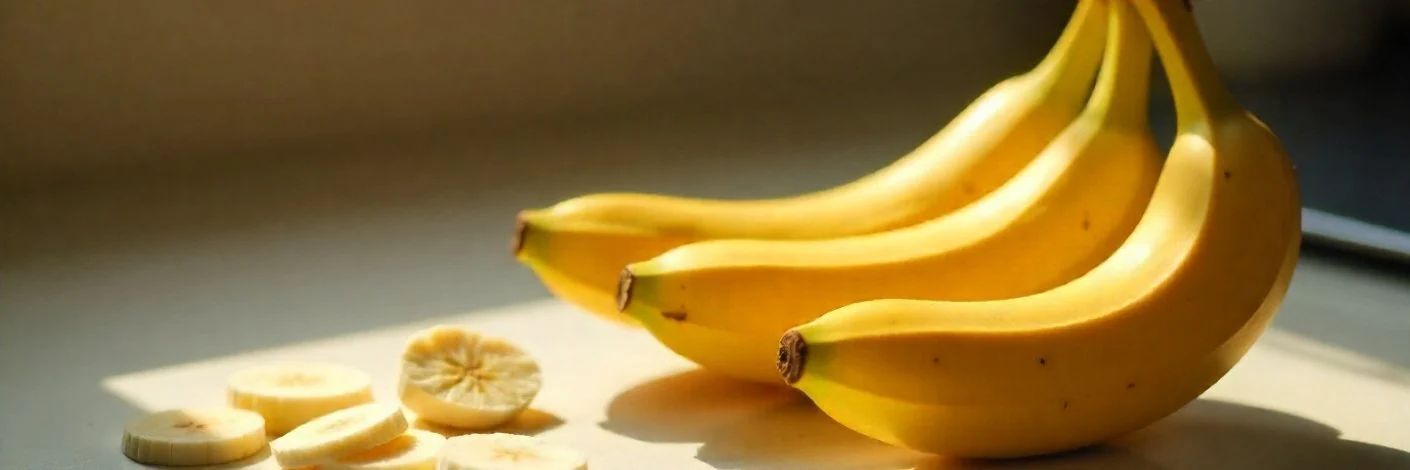
11. Banana: A Gentle, Stomach-Friendly Food
Bananas are a natural source of electrolytes like potassium, which helps keep digestive muscles working properly. Some of the benefits are:
- Lowering acidity
- Helping the lining of the gut
- Soothing mild stomach discomfort
- Avoiding bloating from salty foods
- Bananas are great for people with sensitive stomachs.
12. Stomach Massage for Immediate Relief
A gentle massage of the stomach can help with digestion and let go of gas that is stuck. How to Do It:
- Massage in a clockwise direction (the way food goes through your body)
- Use your fingertips to put light pressure on it.
- Keep going for three to five minutes.
This works especially well for bloating that comes from being constipated.
13. Mindful Eating Habits to Prevent Indigestion
Indigestion is often caused by how you eat, not what you eat. These are easy habits that can make a big difference:
- Eat slowly.
- Chew your food well
- Don’t talk while you chew
- Eat with your back straight.
- Eat smaller amounts
- Cut back on fizzy drinks
These habits help the digestive system not get too full.
Conclusion
It does not have to be difficult to find the best home remedies for indigestion. Every day, you can noticeably improve the way your stomach feels with easy, natural remedies like warm water, ginger tea, fennel seeds, chamomile, lemon water, probiotics, and mindful eating. Without the need for medicine, these treatments promote long-term digestive health in addition to relieving discomfort.
Recall that each digestive system is distinct. Pay attention to what your body reacts to best, stay consistent, and try the remedies that work for you. Additionally, consulting a healthcare provider is always a smart move if bloating or indigestion becomes severe or frequent. Going forward, you can benefit from more comfortable meals, a healthier gut, and calmer digestion with the correct routines and mild natural support.
Add comment